Cart
0
You may also like


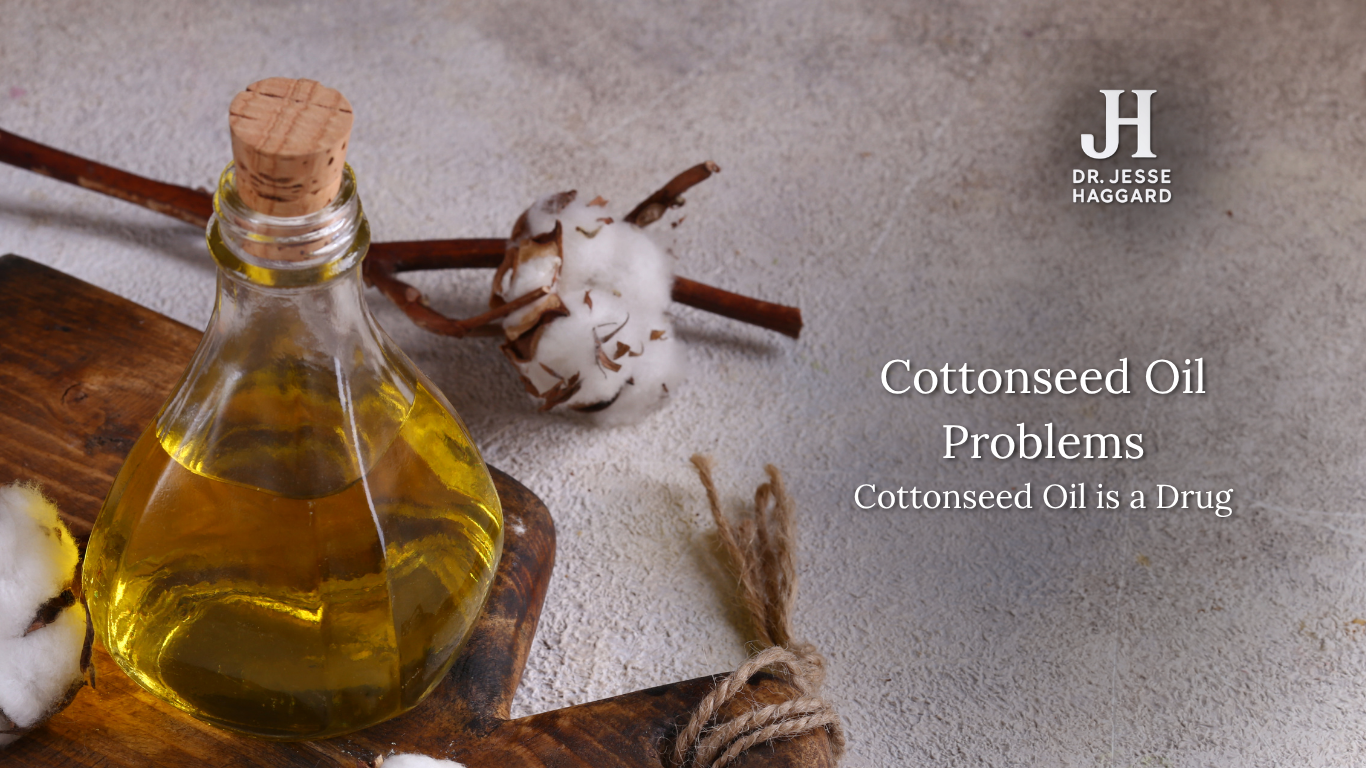
Cottonseed oil, the original ingredient in Crisco, was born from industrial waste and marketed as a "pure" food. However, this common seed oil contains a natural toxin, gossypol, which has been linked in numerous studies to severe health issues, including both male and female infertility. This article explores the hidden dangers of cottonseed oil, from its toxic properties and unreliable testing to why it functions more like a drug than a food in the human body.

Impossible to Overdose: Unlike standard sedatives, melatonin cannot stop your breathing because it doesn't target the brain's respiratory centers. It is exceptionally safe, even at high doses.
Watch the Fall Risk: For older adults, the main risk isn't toxicity; it's the potential for falls or fractures, likely due to morning drowsiness.
The "Orphan" Drug: The reason high-dose melatonin isn't a standard cancer treatment isn't a lack of science—it's a lack of profit. Because it cannot be patented, drug companies won't fund the final approval trials.

Unconsciousness isn't Sleep: Prescription pills are excellent at sedating you, but they often sacrifice the quality of your rest to do it.
Protect the Architecture: Melatonin is one of the few options that improves sleep onset without suppressing the deep, restorative cycles (REM and Slow-Wave Sleep) that your brain actually needs to recover.
Safety Over Strength: While it may not feel as potent as a Z-drug, melatonin offers a much safer profile for long-term health, avoiding the risks of dependency and respiratory depression.
